
Preventing a Graveyard of Whisky
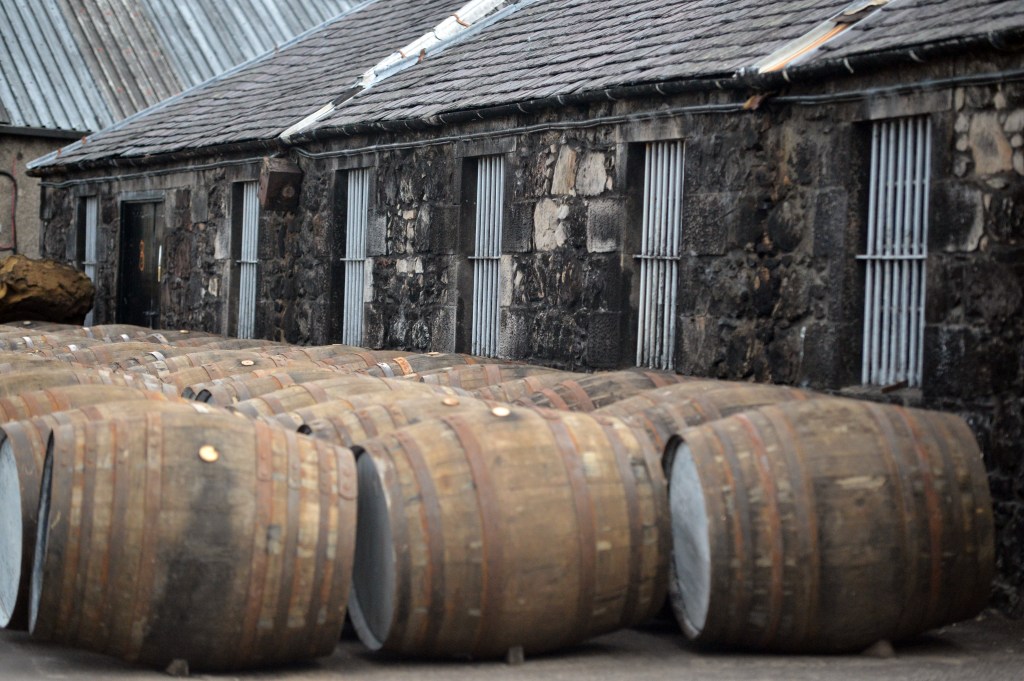
There is a certain nature to buying and whisky when it is young. Whisky can be bought in cask at any age, including when it has first been put into cask and is called new make spirit.
Such whisky casks need to be left to mature, and in most cases, this can take at least a decade, and in many cases multiple decades. This creates a problem. When one buys whisky with a long-term view of ownership, the details of the cask for which we sign on the dotted line will most likely change over time and so will the details of the owner. Especially one’s whereabouts. Over time we also misplace the details of our ownership, and often enough, the company one bought from has long gone, or been bought be another company.
The warehouse where these casks are kept are commercial entities, and as such they need to have the storage and insurance paid for the casks they hold. Like a storage unit, if the unit isn’t paid for and the owner untraceable, then the owner of the unit can open it and sell the contents. As has been shown on TV shows such as Storage Wars from the USA.
Warehouses and distilleries can take back whisky casks they store if no storage and insurance is paid on them and the original owner not tracible for seven years. Most will not do this for longer periods, and there is a growing graveyard of whisky, which if not used, would simply go off and become undrinkable. So, before they get to this stage, the casks are taken back into the ownership of the distillery or warehouse used while the whisky is still alive. A great deal of these issues arose from an era when communication was a little different. Email did not exist, which makes things a little easier today.
When buying a cask of whisky, to help prevent this from happening there are a few things I can suggest. Firstly, don’t buy a cask which includes more than a few years storage and insurance. These costs a very low and receiving a bill every year for them both ensures a line of ownership and reminds you of your ownership, meaning, should you move, you would be more likely to remember the cask and let your cask manager know you have moved address. Ask to receive the bill both by email and post. This ensures a double capture, and should you move address, then the email would remind you to tell your cask manager of your new address. When leaving your details with a cask manager, it might also be a good idea to have a secondary person listed on your file, another family member for example.
Recently I have come across examples of owners of casks, recognising the popularity and worth of casks they bought many years ago in one case over 20 years ago, attempting to find their casks again only to find the distillery hasn’t been able to contact them for many years and have used the cask. I have also come across an example where a cask owner has passed away, and their beneficiaries have seen a cask listed in their estate and attempted to locate it and again finding the cask had been used some years previously.
Although it might seem convenient to buy a cask with ten years storage and insurance included, having the annual hassle of keeping in contact to pay that bill, might be the most useful annual bill you’ll pay.
Author: Colin Hampden-White
 CASK WHISKY ASSOCIATION